RFP and Proposal Visual Support for Construction Firms
Structured project visuals that help construction teams show execution, progress, completed work, and project capability before the next pursuit deadline.
Strong proposals need proof before the deadline.
RFP teams often need proof of execution under pressure and cannot wait until the end of a project to gather usable visuals.
When project photos are scattered or captured inconsistently, pursuit teams lose time reconstructing the project story for deadlines.
Recurring documentation creates reusable project proof before the next proposal needs it.
Use Cases
When teams use this.
RFP deadlines approaching
Shortlist presentations
Interview decks
Project capability sections
Similar-project proof
Award or portfolio submissions
What the visual package can include.
Progress proof images
Recurring progress images show active execution and project movement over time.
Completion photography
Completion-oriented visuals support finished-work proof for pursuit and portfolio material.
Drone context
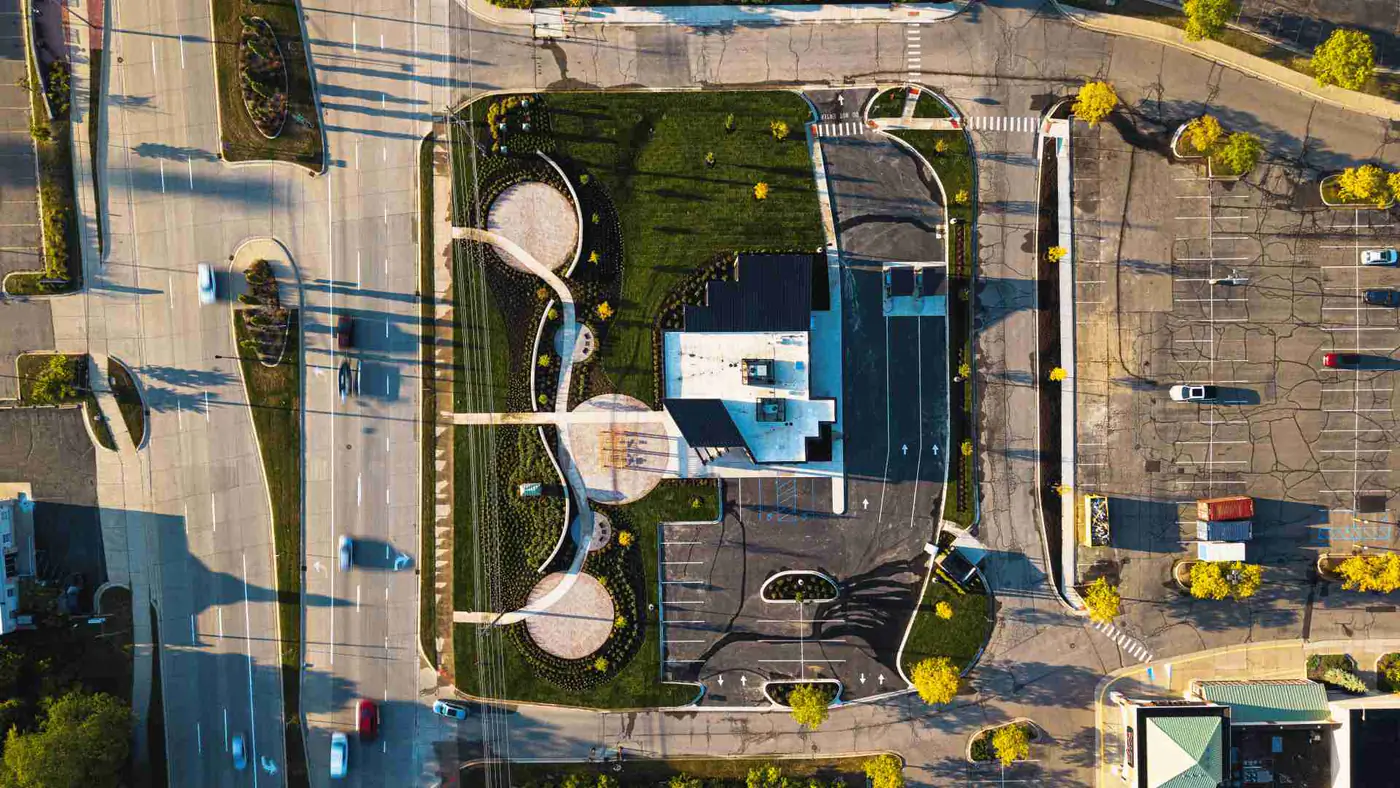
Aerial context helps teams show scale, site relationship, and project complexity quickly.
Milestone sequences
Milestone capture creates a usable timeline of visible progress for proposal narratives.
Project detail visuals
Detail visuals support claims around workmanship, finishes, and delivery quality.
Organized proposal-ready exports
Assets are delivered in a structure that is easier to pull into RFP responses and decks.
Process
How it works.
Identify pursuit-use assets
Clarify which project types, milestones, and finished conditions best support future proposals.
Capture reusable proof
Document active and completed work with consistency, context, and downstream pursuit use in mind.
Deliver assets for proposal use
Organize selected visuals so teams can move quickly in decks, RFP responses, and presentation materials.
Why this matters.
A proposal is weaker when teams rely on random phone photos or old folders. Structured project documentation gives business development teams cleaner proof of capability, project complexity, finish quality, and execution history.
How these assets can be used.
RFP response packages
Organized visuals support response sections where teams need clear project evidence quickly.
Shortlist presentations
Prepared assets reduce scramble time when shortlist interview materials need stronger visuals.
Project case studies
Recurring visual records make case-study development faster and more credible over time.
Award submissions
Polished project visuals can support award entries that require clear completion and progress evidence.
Website portfolio updates
The same asset library can support portfolio refreshes without new last-minute site visits.
Executive capability decks
Leadership and BD teams can reuse consistent visuals across capability and strategy presentations.
Also available
Related use cases and services.
Construction Closeout Documentation
Use closeout visuals as reusable proof for future pursuit material.
Open page
RelatedOwner Updates
Build recurring owner-facing assets that also support proposal storytelling.
Open page
RelatedInvestor Updates
Use investor-ready progress records to strengthen project momentum narratives.
Open page
RelatedOAC Meeting Visuals
Capture meeting-ready visuals that can also feed pursuit materials later.
Open page
RelatedMonthly Coverage
Review recurring coverage options that build proposal-ready proof over time.
Open page
RelatedMonthly Construction Documentation Service
See how recurring documentation workflows support RFP and proposal readiness.
Open page
FAQ
RFP and proposal visuals FAQ.
Can project photos support RFP responses?
Yes. Organized project visuals can support RFP responses by showing execution quality, milestone progression, and completed-work proof in a reusable format.
Is this only for completed projects?
No. Both active-progress and completed-project visuals can support proposal workflows when they are captured and organized with future pursuit use in mind.
Can Synced Frames help build a reusable project proof library?
Yes. Recurring documentation can create a growing visual archive that teams can pull from for decks, proposal packages, and capability materials.
Can this be part of monthly construction documentation?
Yes. Proposal-focused asset capture can be included in monthly construction documentation so teams build pursuit-ready proof over time.
Next step
Need stronger visual proof for the next pursuit?
Use recurring construction documentation to build proposal-ready project assets before the RFP deadline hits.