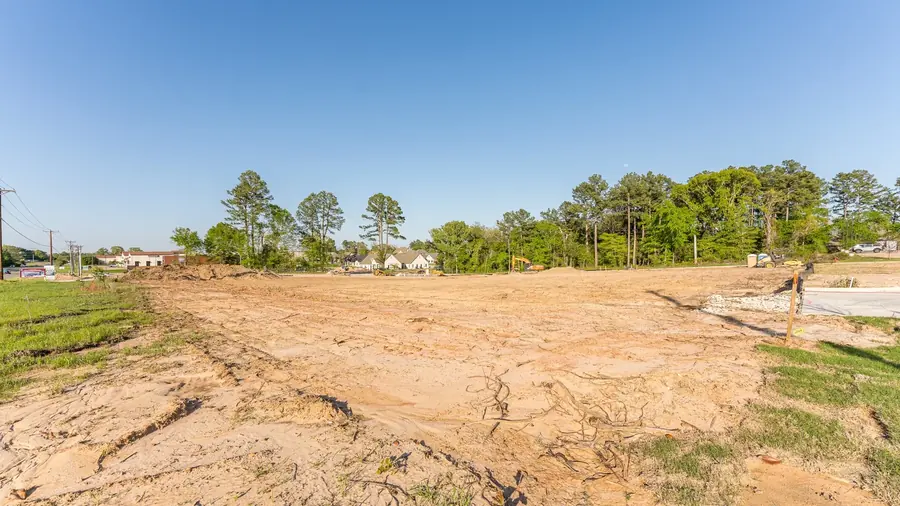
Milestone & Pre-Cover-Up Construction Documentation
Milestone construction coverage documents visible work before it changes, closes, or becomes harder to explain.
Synced Frames handles milestone coverage as a phase-specific part of the Monthly Construction Documentation Package. Each scheduled documentation visit can capture ground photos, ground video, aerial context where safe and legal, milestone details, and organized delivery by date, phase, and project area.
Use it when your team needs milestone construction coverage, pre-cover-up documentation, MEP rough-in documentation, construction milestone photos, or a clearer visual record before the next phase moves forward.
If the work is already complete or near completion, use the Completion Documentation Pass for final photo, video, aerial context where safe and legal, detail coverage, and organized final assets.
See What Milestone Documentation Looks Like
A milestone deliverable should make the condition easy to understand after the work is no longer visible.
Use a gallery, sample PDF preview, or folder screenshot to show how wide context and close detail photos work together.
Common milestone preview examples:
- MEP rough-in photo before drywall
- Foundation or slab pour documentation
- Envelope milestone photo before enclosure
- Underground work photo before backfill
- Wide context image paired with a close detail image
- Sample dated folder organized by milestone and project area
- One-page closeout-ready summary using 4 to 6 photos
This helps visitors understand the service fast. By the time they read the details, they already know what they are getting.


What Is Pre-Cover-Up Documentation?
Pre-cover-up documentation is a visual record of construction work captured before it is hidden by drywall, concrete, backfill, roofing, cladding, finishes, or other permanent work.
As part of monthly construction documentation, it gives the team a dated record of project conditions at the exact point when the work matters most.
For commercial teams, the value is simple. You have a timestamped record of what was present on site, organized so the files can be used later for closeout, internal review, claims discussions, owner questions, subcontractor coordination, or project archives.
This is not inspection work, engineering certification, or a replacement for the authority having jurisdiction. It is construction photo documentation built to preserve the visual record.
Why Project Teams Use Milestone Coverage
Built for work that disappears
Some construction phases leave a short window for documentation.
MEP rough-ins may be visible on Monday and covered by Friday. Underground utilities may be open at 10 a.m. and backfilled by 3 p.m. A slab pour can change the record in one morning. Exterior envelope work can disappear behind finishes before the owner sees the detail that mattered.
Milestone construction coverage gives the project team a cleaner record before that window closes.
Use milestone and pre-cover-up documentation when you need:
- MEP rough-in documentation before drywall
- Foundation and slab pour documentation
- Underground work before backfill
- Envelope milestone documentation
- Roofing, facade, and exterior progress records
- Visible scope completion
- Subcontractor proof of work support
- Closeout-ready construction archives
- Dated photos for internal project review
- Visual backup for owner updates, draw support, and meeting records
The point is not to photograph everything on site. The point is to capture the work that may matter later while it is still visible.
Who This Is For
Commercial teams that need a record before access disappears
This service is built for project teams that need a clear visual record at milestone moments.
It is a strong fit for:
- Developers and owners
- General contractors
- Owner’s reps
- Architects
- Superintendents and project managers
- Industrial builders
- Tenant improvement teams
- MEP contractors
- Envelope and facade teams
- Subcontractors documenting scope completion
- Commercial teams managing closeout, claims, or owner questions
If the milestone is low-risk and your superintendent already has a clean photo record, internal photos may be enough.
If the work may affect closeout, payment conversations, owner confidence, or future maintenance, the record should be captured with more structure.
What We Capture
Wide context, close detail, and milestone-specific photo sets
Each visit is scoped around the exact milestone, site access window, safety requirements, project area, and the questions your deliverable needs to answer.
Typical milestone and pre-cover-up documentation may include:
- MEP rough-ins before drywall
- Foundation work before pours
- Slab pour progress and placement context
- Underground utilities before backfill
- Envelope and facade milestones
- Roofing progress and rooftop conditions when accessible
- Framing, blocking, backing, and in-wall conditions
- Firestopping, penetrations, sleeves, and coordination points when visible
- Site conditions tied to a specific date or phase
- Wide context photos to show location
- Close detail photos to show condition
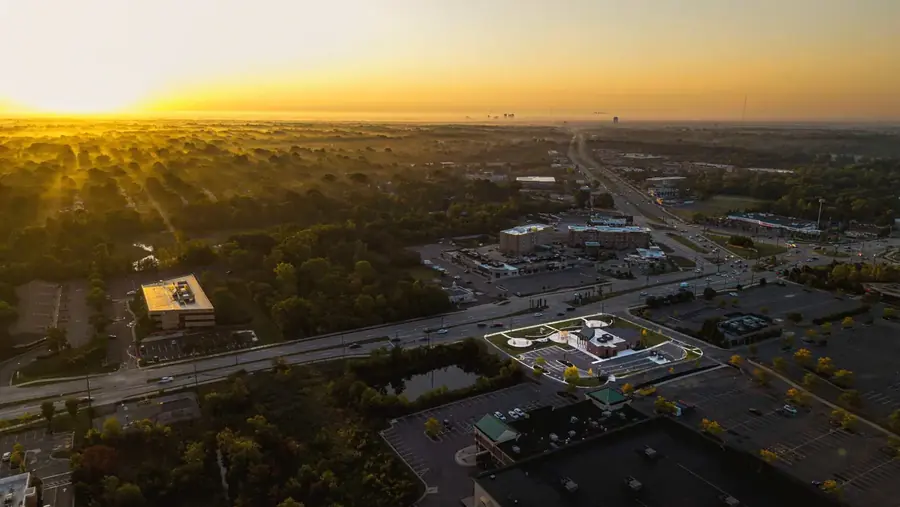
- Optional drone context when useful and allowed
The best milestone record usually includes both wide and close photos.
A close detail photo shows the condition. A wide context photo shows where it happened. You need both if someone reviews the folder 14 months later.
What You Get
A timestamped record organized for closeout, review, and archive use
Depending on scope, milestone construction coverage can include:
- Milestone-specific shot list
- Wide context and close detail photos
- Timestamped organized folders
- Files labeled by project area, floor, scope, or phase
- Edited stills sized for decks, reports, and archives
- Optional drone context
- Optional one-page PDF summary
- Closeout-ready archive
- Optional integration with monthly construction documentation
- Optional add-on with construction progress photography
Files are edited, labeled, and delivered in 48 to 72 hours unless the milestone requires a faster delivery plan.
That gives the team a clear record to reference during closeout, owner review, payment support, and subcontractor coordination.
See a Sample Monthly Progress ReportHow the Process Works
1. Scope the milestone
We confirm the project phase, milestone type, access window, safety rules, site contact, reporting deadline, and the buyer questions your deliverable needs to answer.
For a Plano tenant improvement project, the priority may be MEP rough-ins before drywall. For a Fort Worth industrial site, it may be underground work before backfill, slab placement, roof conditions, or exterior envelope progress.
2. Capture the proof
We coordinate with the superintendent or project contact and document the milestone without slowing crews.
Each visit is focused on the agreed record: wide context, close detail, project areas, installed work, hidden conditions, exterior progress, or the scope that may need to be reviewed later.
3. Deliver the record
Files are edited, labeled, and delivered in 48 to 72 hours.
Exports are prepared for the places your team actually uses: PDF summaries, shared folders, Procore uploads, closeout files, owner emails, meeting agendas, and project archives.
Why Not Just Rely on Inspections or Subcontractor Photos?
Inspections matter. Subcontractor photos matter. Superintendent records matter.
Milestone documentation does not replace any of them.
The problem is that those records often serve different purposes. An inspection may confirm compliance. A subcontractor photo may document a narrow scope. A superintendent photo may show a quick field reference. None of those automatically create a clean, organized, closeout-ready visual record.
Synced Frames adds a documentation layer that is built for later review.
| Inspection Record | Subcontractor Photos | Superintendent Phone Photos | Synced Frames | |
|---|---|---|---|---|
| Visual record before cover-up | Sometimes | Sometimes | Sometimes | Yes |
| Wide context and close detail | Limited | Inconsistent | Inconsistent | Yes |
| Organized folders by milestone | Rarely | Rarely | Sometimes | Yes |
| Photos labeled by area or scope | Sometimes | Sometimes | Inconsistent | Yes |
| Useful for closeout archive | Limited | Sometimes | Sometimes | Yes |
| Neutral third-party photo record | No | No | Internal only | Yes |
| Optional drone context | No | Rarely | No | Yes |
| Delivery in 48 to 72 hours | N/A | Unclear | N/A | Yes |
The difference is not the photo. It is whether the milestone was documented in a way the team can use later.
Common Use Cases
MEP rough-in before drywall
Document mechanical, electrical, plumbing, sleeves, penetrations, in-wall conditions, and coordination points before walls are closed.
Foundation and slab pours
Capture formwork, reinforcement context, pour progress, slab areas, access conditions, and the milestone record tied to that date.
Envelope milestones
Document facade, cladding, weatherproofing, roofing, storefront, flashing, and exterior conditions before later work makes the condition harder to review.
Underground work before backfill
Photograph utilities, trenches, sleeves, site conditions, tie-ins, and open work before the area is covered.
Scope-sensitive records
Create a visual record when the project team expects future questions around scope, condition, access, sequencing, or installation timing.
Closeout documentation
Add milestone folders to the closeout archive so owners, GCs, and project teams have dated records from the phases they cannot see anymore.
Scope and Pricing Guidance
Scoped per milestone based on timing, access, site size, and urgency
Milestone and pre-cover-up documentation is scoped around the exact window. It is not priced like a standard site photo visit.
Pricing depends on:
- Site location
- Milestone type
- Access window
- Urgency
- Site size
- Number of areas or floors
- Safety and PPE requirements
- Need for drone context
- Optional PDF summary
- Delivery deadline
- Whether the work is one-time, recurring, or part of a larger retainer
No public dollar figures are listed because a 2-hour MEP rough-in record, a slab pour, and a multi-building underground utility documentation visit do not need the same scope.
The cleaner way to price it is to look at the milestone, timing, access, risk, and deliverables your team actually needs.
Send Your Project Phase Send Completion ScopeFAQ
What is pre-cover-up documentation?
Pre-cover-up documentation is photo or video documentation captured before work is hidden by drywall, concrete, backfill, roofing, finishes, or other construction activity. It preserves a visual record while the work is still visible.
Can you respond quickly to a milestone?
Often, yes. Milestone work can move fast, so we scope around the access window, site contact, location, and urgency. Earlier notice helps, but we can review short-deadline requests for DFW and North Texas projects.
Is this inspection work?
No. Synced Frames does not replace inspectors, engineers, architects, code officials, or the authority having jurisdiction. We provide visual documentation, not inspection approval, engineering certification, or code compliance sign-off.
Can subcontractors use this for proof of work?
Yes. Subcontractors, GCs, and owners can use milestone documentation as a dated visual record of installed work, site condition, or scope completion. It should support, not replace, contract documents, inspections, and formal project controls.
Can you include drone context?
Yes, when drone flight is allowed by airspace, site rules, safety conditions, and weather. Drone context can help with foundations, roof work, envelope progress, large sites, access, and exterior milestone records.
How fast are the files delivered?
Most edited milestone photos are delivered in 48 to 72 hours. Faster delivery can be discussed when the milestone, meeting, claim review, or closeout deadline requires it.
Related Services
Same-angle progress photos build a clean visual timeline of your project from groundbreaking to closeout.
View service
Monthly Progress DocumentationRecurring monthly documentation with ground photos, aerials, and owner-ready reporting.
View service
Drone Construction DocumentationUse aerial photos and video to show site scale, exterior progress, roof work, logistics, and surrounding context.
View service
Completion Photo + VideoCapture final project assets for owners, leasing teams, architects, GCs, awards, portfolios, and proposals.
View service
Need to document the milestone before it disappears?
See the sample monthly progress report first. Then send the project phase, milestone, access window, and what needs to be captured before work changes, closes, or gets covered.