Monstrum Playground Completion Documentation
Completion-phase visual documentation for destination playground projects, capturing finished environments, site context, and public-facing project assets.
Selected Monstrum documentation sample.
Client
Monstrum
Coverage Type
Completion-phase documentation
Project Type
Destination playground environments
Asset Value
Portfolio, stakeholder, and public-facing project visibility
Playground completion coverage needs more than finished photos.
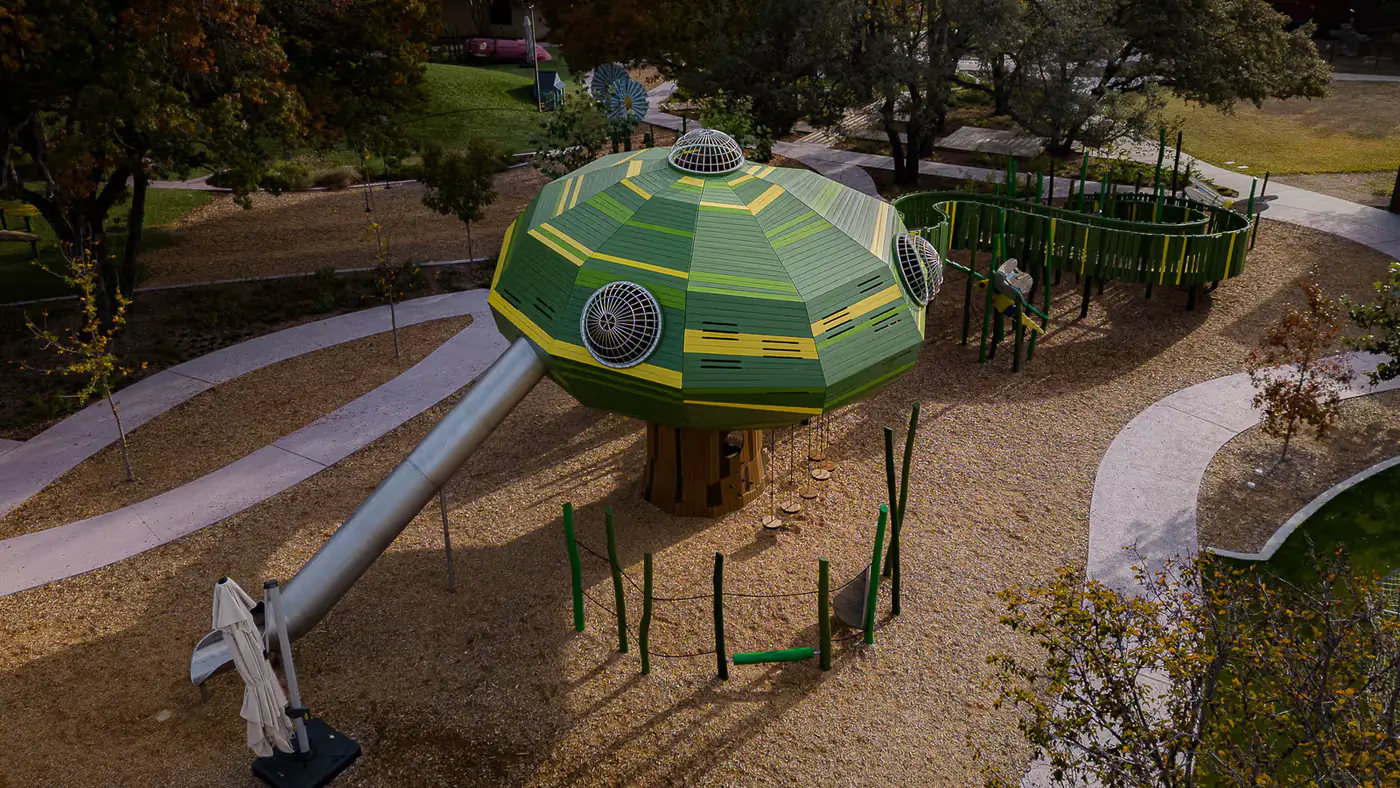
Highly designed playground environments need visual documentation that captures both the finished structure and the surrounding context. Final imagery should communicate what was built and how the project is experienced in place.
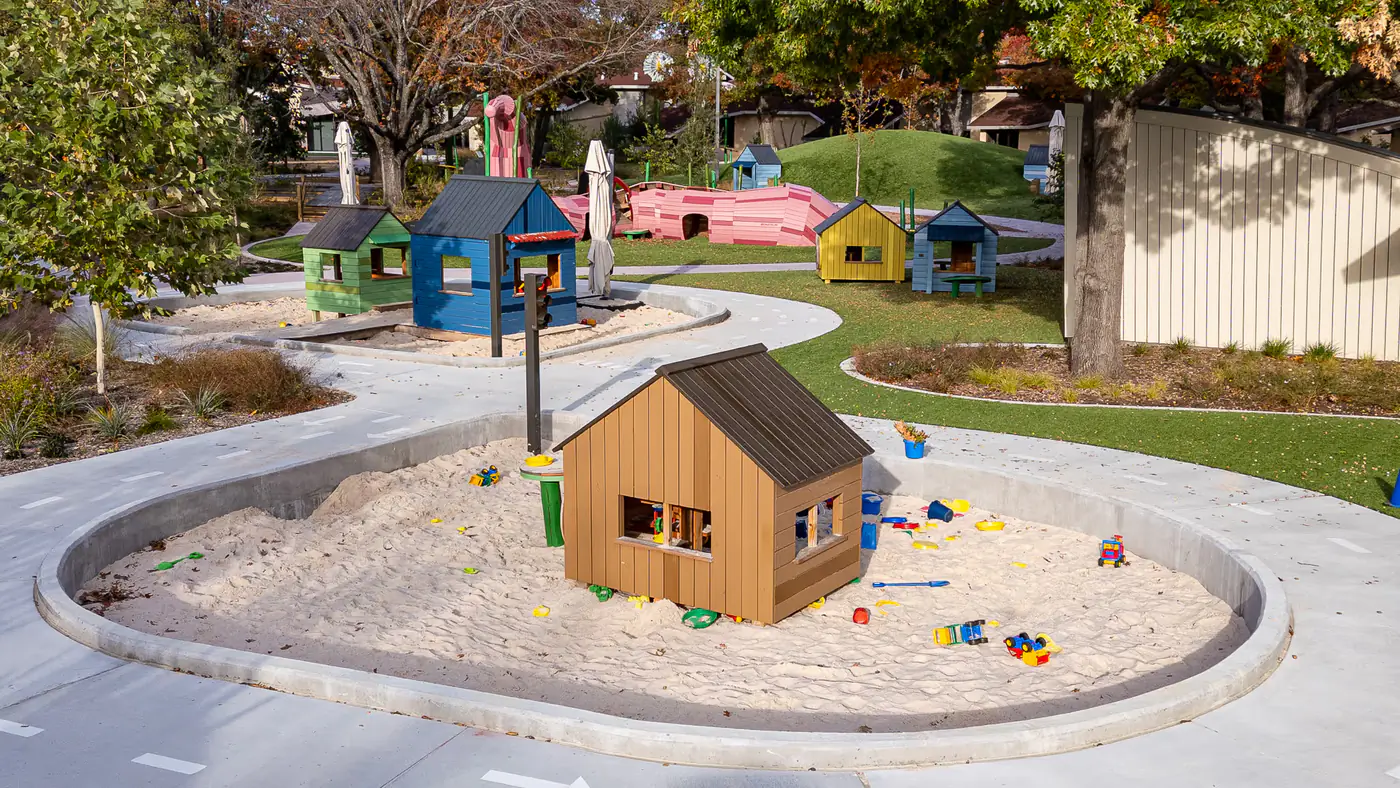
Completion-phase coverage helps show the real-world setting, including access, scale, materials, public-facing spaces, and contextual landmarks that influence how the project is understood.
Structured final assets remain useful after capture for portfolio communication, stakeholder visibility, international project proof, and future presentation material.
Use Cases
When this type of coverage matters.
Playground nearing public opening
International team needs final project visibility
Site context matters to the finished story
Surrounding landmarks help explain place
Portfolio assets need to show scale and experience
Stakeholders need clean documentation of completed work
What had to be accounted for.
Finished playground condition
Capture timing had to align with completed conditions so the final record reflected the finished environment accurately.
Site context and surrounding environment
Context around the play structure was part of the story, including nearby environment and how the project sits within its location.
Visitor-facing details
Detail coverage documented material quality and visitor-facing elements that shape how the finished space is perceived.
Scale, access, and relationship to place
Coverage needed to represent project scale and access conditions so teams could communicate how the destination environment works in context.
Public-facing asset use
Final assets had to support outward-facing usage while staying organized for internal review and cross-team coordination.
Organized delivery after capture
Delivery structure mattered so the completed set could be reused across portfolio records, stakeholder updates, and presentation workflows.
What Synced Frames supported.
Completion photography
Captured finished playground conditions as project-proof assets for communication and portfolio use.
Environmental context capture
Documented surrounding environment so the completed project could be understood in place, not in isolation.
Detail and material documentation
Included detail-focused visuals to preserve design intent, material character, and finish quality.
Public-facing visual assets
Supported outward-facing asset needs with polished completion visuals appropriate for broad audiences.
Organized final delivery
Delivered files in a practical structure for efficient internal sharing and longer-term project reference.
Portfolio-ready project imagery
Prepared completion visuals that can support future project portfolios and presentation workflows.
Visual Proof Samples
.webp)
-2.webp)
.webp)
-45.webp)
How these assets can be used.
Portfolio documentation
Supports long-term project portfolio records with completion visuals that communicate the full destination environment.
Stakeholder communication
Helps project stakeholders review completed conditions through organized and context-rich visual assets.
Public-facing project materials
Provides polished completion visuals suitable for broad public-facing communications and project announcements.
International project proof
Creates a reusable visual record for teams presenting completed work across different markets and regions.
Award or publication support
Offers structured completion visuals that can support submission and editorial workflows when teams pursue recognition opportunities.
Future project presentations
Gives teams organized visuals that can be reused in future presentations, business development, and project storytelling.
Process
How it works.
Align on readiness
Confirm completed areas, public access, surrounding context, capture timing, and any site restrictions before production.
Capture the finished environment
Document the playground, surrounding space, visitor-facing details, materials, scale, and contextual landmarks in one cohesive set.
Deliver usable assets
Organize final visuals so teams can use them for portfolio records, stakeholder communication, and future project presentation.
Why this matters.
For destination playgrounds, the finished project is not just the structure. It is the environment, the public experience, the surrounding context, and the way the work lives in place. Structured completion documentation helps preserve that story in a way teams can reuse for portfolios, stakeholder updates, public-facing materials, and future project proof.
FAQ
Project proof FAQ.
Is this full construction progress documentation?
This page focuses on completion-phase project proof. It does not represent a full progress-tracking timeline from early construction through turnover.
Can completion coverage support international project portfolios?
Yes. Structured completion visuals can support international portfolio positioning when teams need consistent final project documentation across markets.
Why capture surrounding landmarks and site context?
For destination playground environments, surrounding context helps explain scale, access, and how the finished project sits within the public-facing setting.
Can this type of coverage be part of a recurring documentation plan?
Yes. Completion-phase documentation can be aligned with recurring coverage planning when teams need continuity from active work through finished project records.
Also available
Related services and next steps.
Monthly Coverage
Review monthly coverage options for recurring documentation support across active and completion phases.
Open page
RelatedMonthly Construction Documentation
See how recurring documentation cadence supports stakeholder visibility and structured reporting.
Open page
RelatedCommercial Construction Photography
Use the existing commercial progress photography route for broader project documentation support.
Open page
RelatedUse Cases
Explore buyer-facing scenarios where structured visual documentation supports decisions and communication.
Open page
Next step
Planning completion coverage for a finished built environment?
Use structured visual documentation to turn completed work into stakeholder-ready project proof, portfolio material, and future presentation assets.